What Is Pilates?
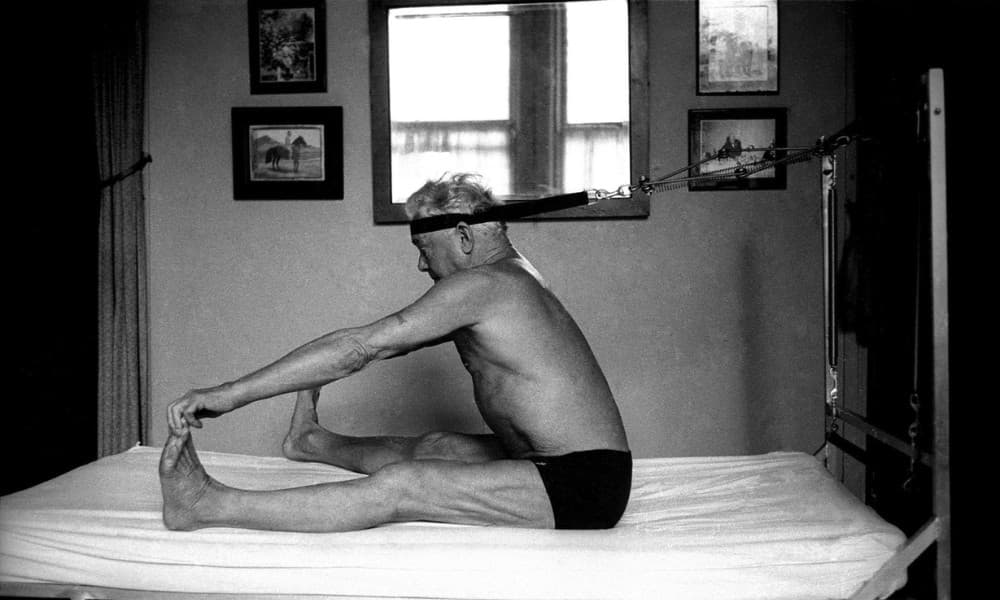
Pilates is not simply a stretching routine or a basic strengthening workout. It is a holistic movement method designed to improve core strength, breathing, posture, coordination, and body awareness. Although Pilates is now widely known through reformer Pilates, mat Pilates, and equipment-based training, its foundation comes from the movement philosophy developed by Joseph Pilates.
Joseph Pilates was born in Germany in 1883. After facing various health challenges during childhood, he became deeply interested in anatomy, gymnastics, martial arts, yoga, and breathing techniques. This personal search for strength and health eventually evolved into a method focused not only on physical power but also on control, balance, coordination, and body awareness.
The original name of the Pilates method was Contrology. This name reflects the essence of the system: movement should be conscious, precise, and controlled. Joseph Pilates believed that a strong body was not built only through muscle development, but also through the mind’s ability to guide the body correctly. This is why breathing, concentration, flow, centering, and precision are central to Pilates practice.
During the World War I period, Joseph Pilates’ exercise approach became closely associated with rehabilitation principles. Resistance systems inspired by bed springs later influenced the development of modern reformer Pilates equipment. Today, the spring-based resistance used in reformer machines allows movements to be both supportive and challenging, making Pilates suitable for different levels of ability.
In the 1920s, Joseph Pilates and his wife Clara Pilates opened their first studio in New York. The studio quickly became popular among dancers, choreographers, and performing artists. Pilates offered more than muscle strengthening; it supported movement quality, posture, and recovery after injury, making it especially valuable for people whose bodies were central to their profession.
At the center of Pilates is the concept known as the “powerhouse.” This area includes the abdominal muscles, lower back, hips, pelvis, and back muscles. Many Pilates movements begin from this central region. For this reason, Pilates may look calm and controlled from the outside, but it is a powerful core training system that activates deep stabilizing muscles.
Today, Pilates can be practiced through mat Pilates, reformer Pilates, Cadillac, Chair, Barrel, and other equipment-based methods. Each approach serves different needs. Mat Pilates mainly uses body weight, while reformer Pilates provides both resistance and support through its spring system. This makes Pilates adaptable for beginners, active individuals, and professional athletes alike.
Practicing Pilates regularly may help improve posture, reduce muscle imbalances, increase flexibility, and build better body awareness. It is especially useful for people who spend long hours sitting and experience tension in the neck, shoulders, or lower back. In addition, controlled breathing and focused movement can support mental relaxation and concentration.
Classical Pilates aims to preserve the original exercise sequences and movement principles created by Joseph Pilates. Modern Pilates, on the other hand, has evolved over time and is now integrated with physical therapy, athletic performance, and everyday functional movement. Regardless of the style, the foundation remains the same: controlled movement, a strong center, proper breathing, and body-mind connection.
In conclusion, Pilates is an effective exercise system with a strong historical and philosophical foundation. For anyone seeking a stronger, more flexible, balanced, and aware body, Pilates offers a sustainable starting point. Therefore, the answer to what is Pilates? is not merely “a type of exercise,” but a comprehensive movement discipline that teaches people how to use their bodies with greater awareness and control.