Reformer Pilates or Mat Pilates? Which One Is Right for You?
One of the most common questions for people who want to start Pilates is “Reformer Pilates or Mat Pilates?” Both methods are based on the same Pilates principles: proper breathing, controlled movement, core activation, balance, and body awareness. However, reformer Pilates and mat Pilates differ in terms of equipment, exercise intensity, and the overall training experience they provide.
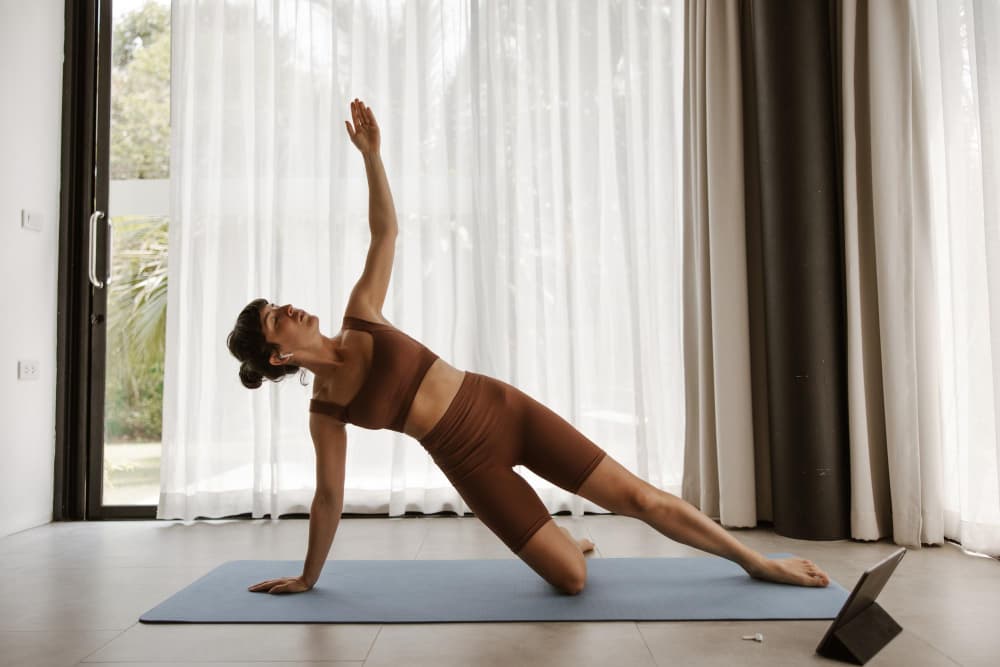
Mat Pilates is performed on a mat, usually using your own body weight. The exercises work the abdominal, lower back, back, hip, and leg muscles in a controlled way. Mat Pilates is an effective starting point for those who want to improve body awareness, increase flexibility, and strengthen the core.
Reformer Pilates, on the other hand, is practiced on a special machine with a spring-based resistance system. The reformer can either support or challenge the movement depending on the exercise. This makes it easier to adapt the workout to a person’s level, goals, and physical condition. For beginners, people with posture issues, or those who prefer more guided movement, reformer Pilates can be a strong option.
In mat Pilates, body control depends almost entirely on the individual. This means that proper form requires a good level of body awareness. In reformer Pilates, the support and resistance provided by the machine can make movements feel more controlled. This difference may make reformer Pilates easier to understand and follow, especially for beginners.
If your goal is to build basic strength, practice without special equipment, and learn the foundations of Pilates, mat Pilates may be a good choice. If you prefer a more personalized, resistance-based, and instructor-guided workout, reformer Pilates may be more suitable for you.
Reformer Pilates is often preferred for posture problems, lower back and back tension, muscle imbalances, and controlled strengthening. Thanks to its spring system, the muscles work with both resistance and lengthening. This can help the body become more balanced, controlled, and strong.
Mat Pilates stands out because it is accessible and practical. Since it does not require a special machine, it can be practiced at home, in a studio, or in group classes. However, although it may look simple, some movements can be challenging if they are not performed with the correct technique. For this reason, professional guidance is important, especially at the beginning.
In conclusion, reformer Pilates and mat Pilates are not competitors; they are two different methods that can complement each other. The right choice depends on your goals, physical condition, experience level, and expectations. For a more controlled, equipment-supported, and personalized start, reformer Pilates may be ideal. For a more accessible, foundational, and bodyweight-focused practice, mat Pilates may be the better choice.