Pilates During Pregnancy: A Safe and Controlled Exercise Guide for Expectant Mothers
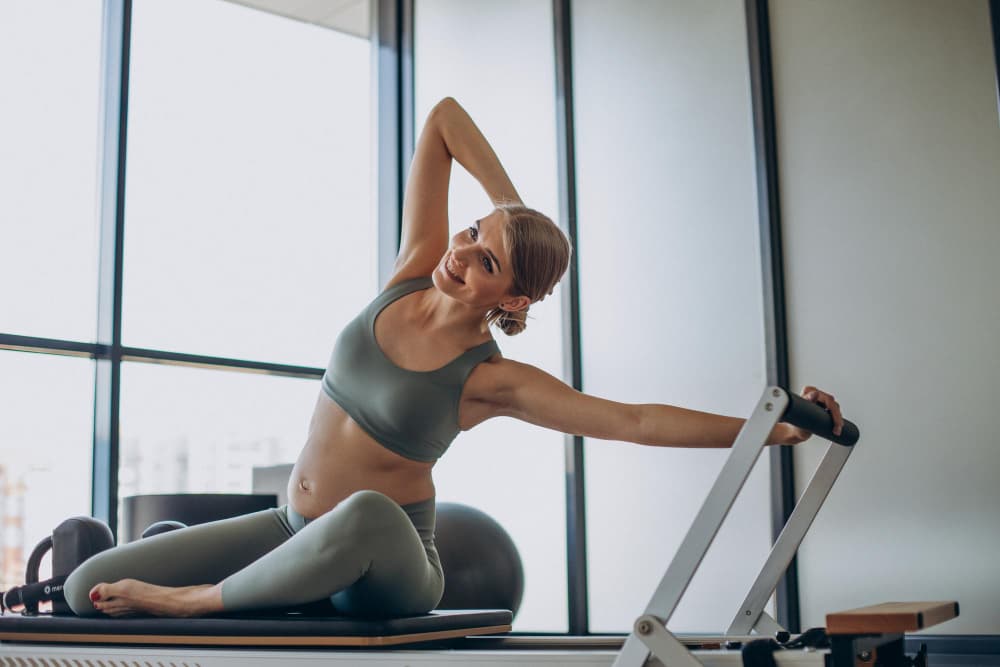
Pilates during pregnancy is a controlled, low-impact, and awareness-based exercise method that can help expectant mothers adapt to the physical changes of pregnancy. As the body’s center of gravity shifts and pressure on the lower back increases, Pilates may support better posture, balance, and body control.
Not every Pilates movement is suitable during pregnancy. For this reason, expectant mothers should always get medical approval before starting and should practice with an instructor experienced in prenatal Pilates. The goal is not high performance, but safe movement, proper breathing, and gentle strengthening.
Prenatal Pilates may help strengthen the legs, support posture, improve body-mind awareness, and reduce stress. Regular and controlled movement may also support relief from common pregnancy-related issues such as swelling, constipation, and lower back tension.
One of the most valuable benefits of Pilates during pregnancy is breath control. Proper breathing exercises can support daily relaxation and may also contribute to preparation for birth. Slow and controlled movements combined with breathing help the body move with greater balance and awareness.
A pregnancy Pilates program should be planned according to the current trimester. During the first trimester, fatigue, nausea, and hormonal changes may be more noticeable. Gentle exercises that do not overstrain the body and help relieve back and lower back tension are usually preferred.
From the second trimester onward, the abdominal area becomes more prominent, so some positions should be avoided. Especially after the 16th week, exercises that require lying on the back for a long time should generally be avoided. During this period, seated breathing exercises, Pilates ball movements, and spine-supporting exercises may feel more comfortable.
In the third trimester, as the belly grows, the curve in the lower back may increase and back discomfort may become more common. At this stage, the purpose is not intense exercise, but supporting the spine, regulating breathing, improving circulation, and helping the expectant mother feel more comfortable.
If pain, dizziness, shortness of breath, pelvic pressure, bleeding, or discomfort occurs during Pilates, the exercise should be stopped immediately and a doctor should be consulted. Pilates can be a safe exercise option during pregnancy, but every pregnancy is different. Therefore, the program should be personalized.
In conclusion, Pilates during pregnancy can be an effective exercise approach when planned correctly. It may help strengthen the body, support posture, and contribute to birth preparation. For a safe experience, medical approval, professional guidance, and listening to the body’s signals are essential.